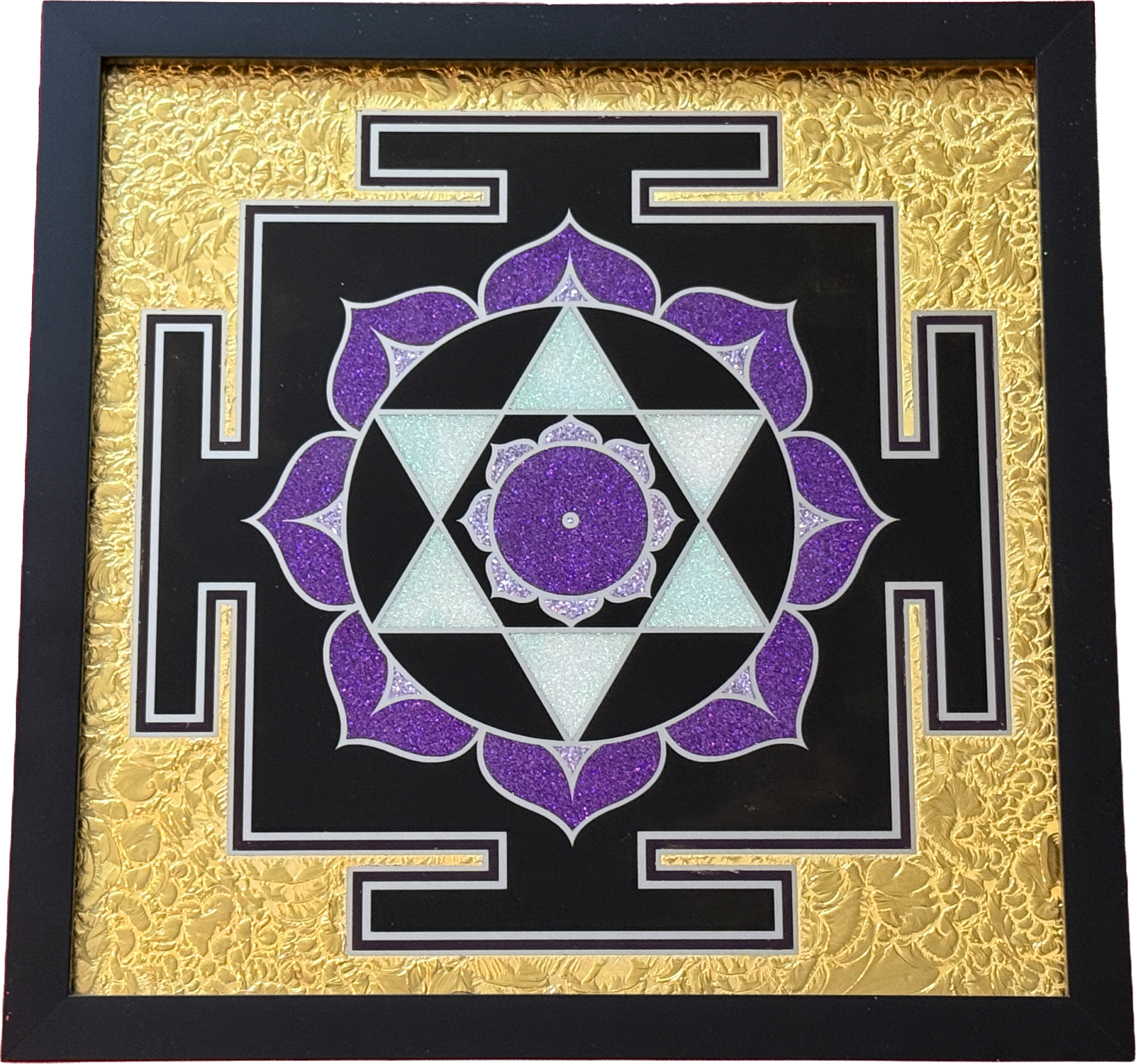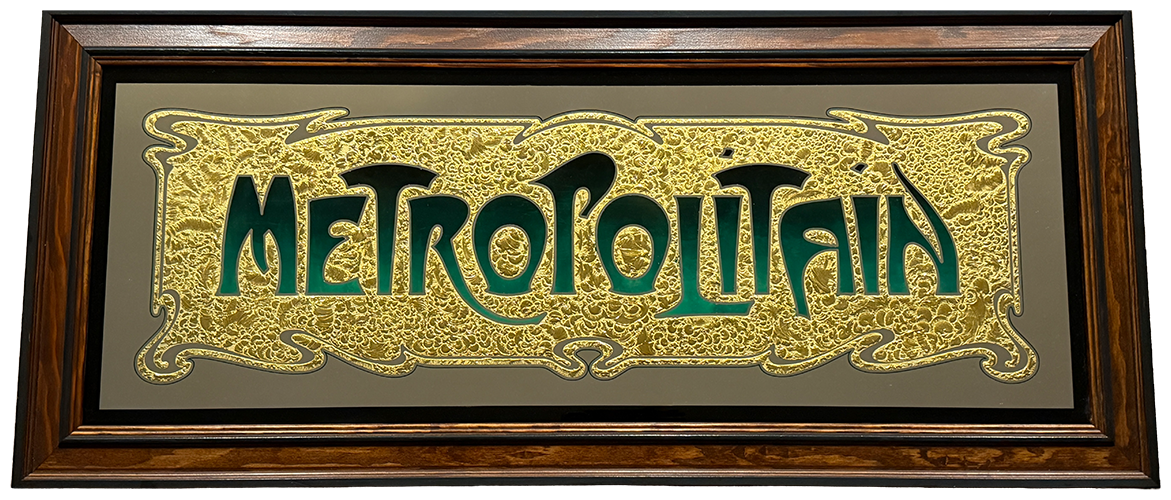
The Art of Glue Chipped Glass
Glue chipped and gilded glass appeared in Britain some time in the mid to late 19th century. The industrial revolution produced much less expensive and higher quality glass, which led to a golden age of decorative glass arts–embossing, brilliant cutting, acid etching, and enameling, in addition to glue chipping and the application of precious metal leaf.
Glue chipping produces one of the most eye-catching glass surfaces. Glue is applied to a sandblasted surface, and then dried under controlled conditions. As the glue dries and contracts, it tears off small chips of glass, leaving hundreds of concave surfaces which catch the light when gilded.
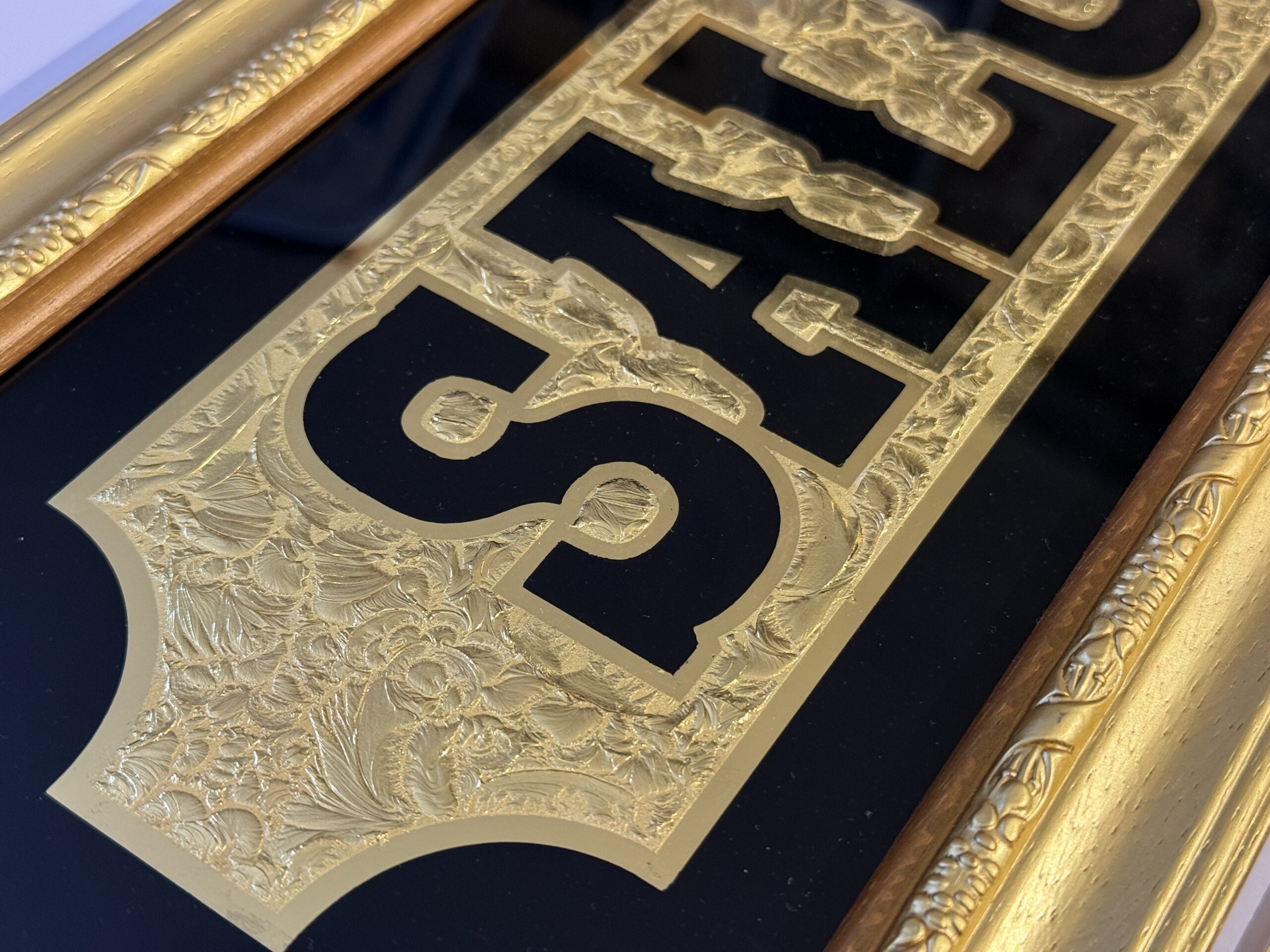
This art migrated to America and a company called Rawson and Evans dominated the market for glass signage from the late 19th century until prohibition. Before electricity, you could not make your own light, so you had to reflect as much as possible. Gold leaf on glass was the most reflective surface available, and hence it was the finest signage money could buy.
The art nearly disappeared with prohibition and then electric alternatives. This type of signage was associated with pubs in England, alcohol advertising and bar mirrors in the US, especially in the OId West. The disappearance of this business led to near extinction.
Although the number of practitioners is increasing, reverse glass painting and gilding is still listed as an endangered craft in the UK, with less than a dozen full-time professionals.